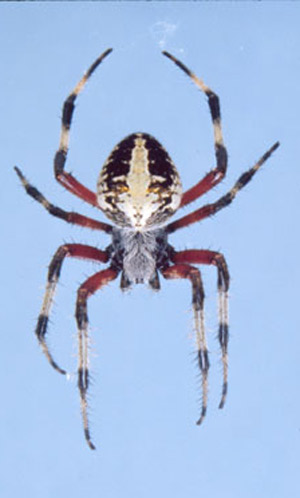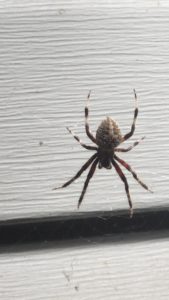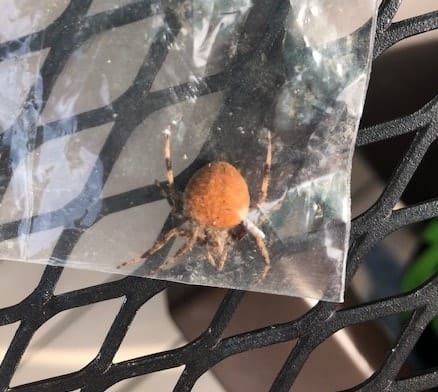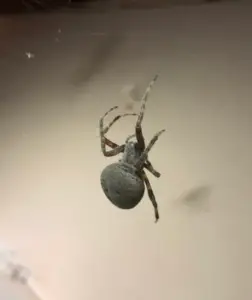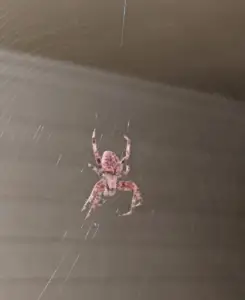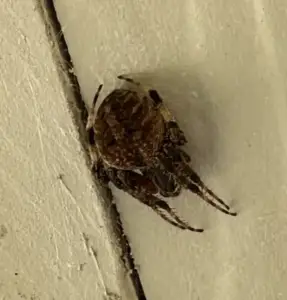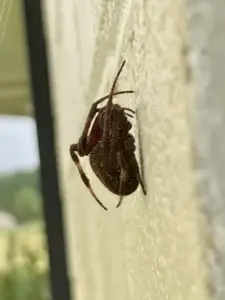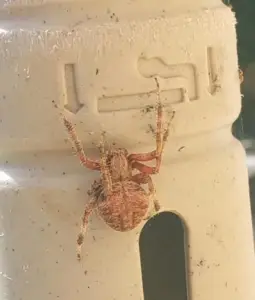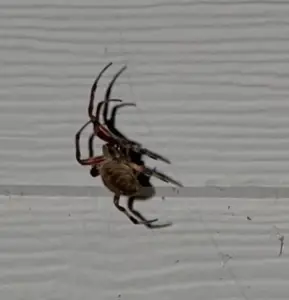
Orb Weaver Neoscona Crucifera Spotted Usa Spiders
It is found in the united states from maine to florida in the east, to minnesota in the midwest, to arizona in the southwest, southern california coastal communities and in mexico. While often mistaken for more venomous species, this nocturnal spider is a beneficial predator in gardens, helping to control insect pests Neoscona crucifera, commonly known as the spotted orbweaver, is an orb weaver species indigenous to the eastern part of north america.
Neoscona crucifera - Spotted Orb Weaver - USA Spiders
Diagnosis neoscona crucifera and neoscona domiciliorum are similar but can be distinguished by several characters Unlike bees or butterflies, they. Generally, neoscona crucifera is the larger and more common of the two species
Spotted orb weaver (neoscona crucifera) the spotted orb weaver is a tiny spider that lives in places like florida, maine, arizona, and minnesota
Part of the orb weavers family, they usually roam at night But, when fall arrives, female spiders change their routine and come out during the day. Neoscona crucifera spiders have been sighted 112 times by contributing members Based on collected data, the geographic range for neoscona crucifera includes 1 countries and 24 states in the united states.
Spotted orbweaver (neoscona crucifera) detailing the physical features, habits, territorial reach and other identifying qualities of the spotted orbweaver Some species (usually collectively referred to as barn spiders, i.e Neoscona crucifera) are nearly impossible to distinguish from araneus and can only be separated by examination of carapace to view the carapace groove (fovea) Neoscona have a longitudinal groove on the carapace (parallel with the long axis of the body), whereas araneus have angular (transverse) grooves
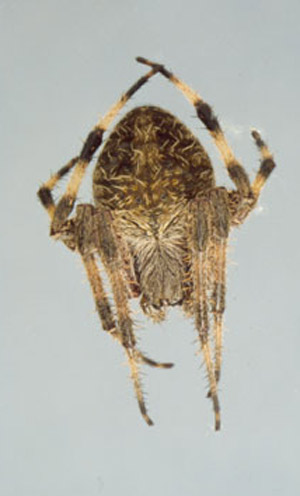
Neoscona crucifera is probably the most common large orbweaver (araneidae) in ohio
Neoscona crucifera, a color variant neoscona crucifera, a red color variety Neoscona crucifera, one of the bolder color varieties This one has markings more similar to n Arabesca, but the specimen revealed the genital structure of crucifera.
It is a member of the family araneidae (orbweavers), known for constructing large, intricate circular webs These spiders are nocturnal hunters and play a significant role in insect population control