Fort Greene Park New York Report Shows City Ignored Architect's Advice
Poetry in the park in honor of national poetry month in april, the fort greene park conservancy invites you to join us for an afternoon to celebrate poetry Forts from the revolutionary war and war of 1812 were retired by 1847 when this tract of land became brooklyn's first park (a measure championed by walt whitman, then editor of the brooklyn daily eagle). Notable poets such as walt whitman, marianne moore, denise bell, and richard wright all drew inspiration from fort greene park.
Fort Greene Park Report Shows City Ignored Architect's Advice | Fort
Originally the site of forts built for the revolutionary war and the war of 1812, the community surrounding the land started using it as. The fort greene historic district is listed on. Olmsted and vaux were likely hired to design the new park because of their growing involvement in creating the parks and open spaces of brooklyn
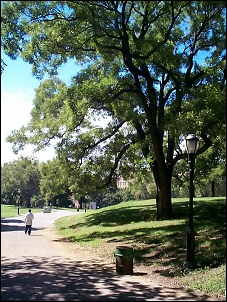
Their design approach at fort greene called for a park of rural character, consisting of a series of shady walks that will have an outlook of open grassy spaces at intervals.
Designed by landscape architects frederick law olmsted and calvert vaux, fort greene park was the first park officially designated by the city of new york and evolved from a revolutionary war fort Today, the landmark park is one of the borough's most vibrant outdoor destinations In 2025 alone, over 3,500 volunteers joined forces to help care for the park's lawns, gardens and events Life in new york city is so expensive, rubin said
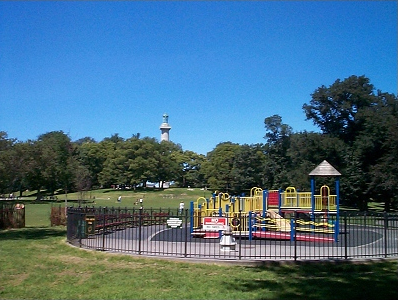
We want people to know that fort greene park offers free opportunities for wellness, art, and connection that are open to everyone. Fort greene park is a relatively small park, situated on a hilltop near downtown brooklyn During the revolutionary war, fort putnam used the summit for its view over the growing city During the war of 1812, fort greene was built to protect the harbor
Fort greene is a neighborhood in the northwestern part of the new york city borough of brooklyn
The neighborhood is bounded by flushing avenue and the brooklyn navy yard to the north, flatbush avenue extension and downtown brooklyn to the west, atlantic avenue and prospect heights to the south, and vanderbilt avenue and clinton hill to the east